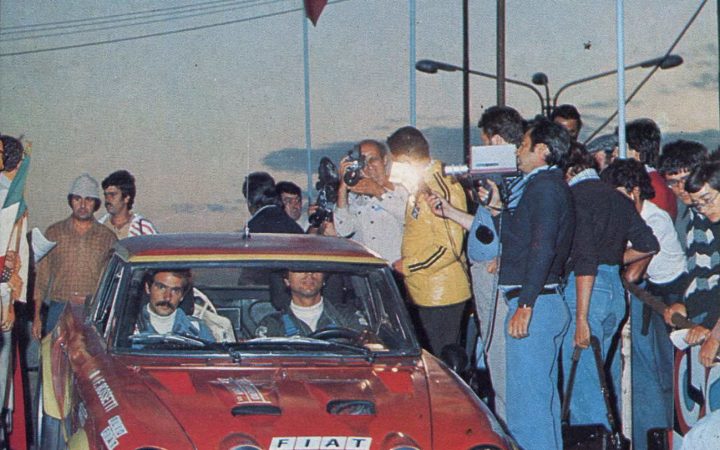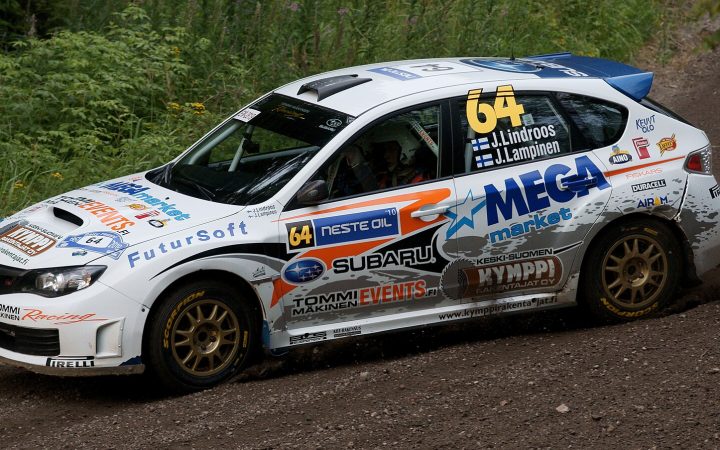
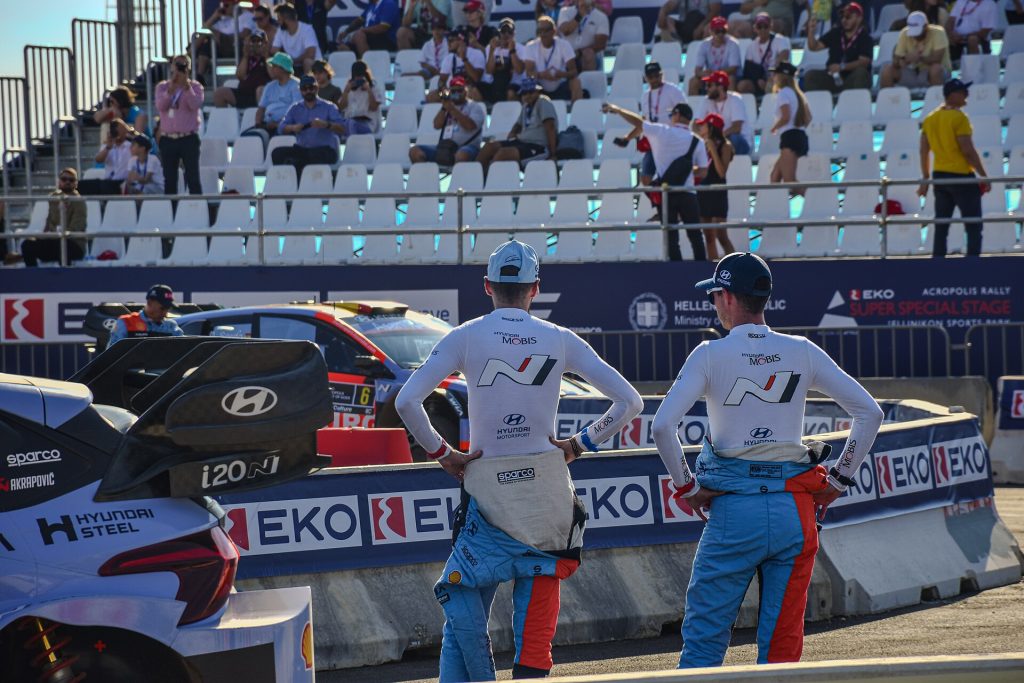
The driver gets the glory, the camera time and usually the trophy at the front of the podium. But anyone who has spent time around a rally service park knows that the person in the right-hand seat carries just as much responsibility. Co-drivers are navigators, timekeepers, logistics managers, strategists and, at times, the only calm voice in a car that is moving sideways at triple-digit speeds. Here is what the job actually involves.
Reading the notes
The most visible part of the role is reading the pace notes during each special stage. The co-driver describes the road ahead, corner by corner, so the driver can commit to bends and crests they cannot see. This sounds simple, but timing is everything. The co-driver must deliver each call early enough for the driver to react and late enough that it is still fresh in their mind. Most top co-drivers read their book by feel, staying in rhythm with the car while barely looking up.
They also have to cope with the unexpected. After a spin or a moment off the road, the co-driver needs to find their place in the notes again immediately. A missed call after an incident can turn a small mistake into a big one.
Writing the notes
At events where crews make their own notes, the co-driver is the one writing them during reconnaissance. The driver calls each feature and the co-driver records it in shorthand, often while bouncing along a rough forest road. On later passes they refine the notes together. Legibility, consistency and a sensible layout on the page all matter, because those notes have to be read in a car that is shaking violently.
Managing time and controls
A rally runs on a precise schedule. Every crew carries a time card, and every section between controls has a set target time. The co-driver is responsible for making sure the car arrives at each control at the correct minute. Arriving early or late usually brings a time penalty, so co-drivers constantly calculate how long they have for road sections, refueling and the brief pauses before a stage start.
At each time control the co-driver hands over the card to be stamped, confirms the time and checks the start time for the next stage. Late arrival can cost more than a slow corner. Experienced co-drivers know the regulations closely and keep a careful eye on any rule that could affect their crew.
Navigation on road sections
Between stages, crews drive on public roads following a route book, often called the “roadbook” or “tulip” route. It uses simple diagrams to show each junction, along with distances. The co-driver guides the driver through these transits, which may cover long distances on busy roads. A wrong turn wastes time and can mean arriving late at the next control.
Safety officer
Co-drivers play a major role in safety. Before each stage they make sure belts are tight, helmets are fastened and equipment is ready. If the car goes off the road, the co-driver often handles the first steps: checking the driver, deciding whether to show the “OK” sign or the red cross sign to following cars, and placing warning triangles. Many events require crews to display these signs so organizers and following competitors know whether medical help is needed.
The co-driver also carries the safety tracking and communication equipment that many modern events use to monitor each car’s position on the stage.
Strategist and data manager
In professional teams, co-drivers often take part in strategic decisions. Which tires should they carry? How hard should they push on a stage where the gap ahead is large? Should they take a cautious approach on a damaged car to reach service? Co-drivers keep track of split times and standings and pass on the information that matters at the right moment.
On top of that there is a mountain of paperwork. Entry forms, scrutineering, recce schedules, hotel bookings and service plans are commonly handled by the co-driver, especially at amateur and national levels where there is no team manager.
Keeping the driver calm
Perhaps the least appreciated part of the job is psychological. Rally drivers deal with huge pressure, often for hours in a row. A good co-driver knows when to encourage, when to say nothing and when to remind the driver to settle down after a mistake. Some of the most successful partnerships in rally history have lasted many years because the two people understood each other so completely.
Famous partnerships
The sport’s history is full of long-running pairings. Sébastien Loeb won all nine of his world titles with Daniel Elena beside him. Colin McRae won the 1995 world championship with Derek Ringer. Walter Röhrl and Christian Geistdörfer shared the 1980 and 1982 titles. These partnerships show that success at the top almost always comes from two people.
How to become a co-driver
Co-driving is one of the most accessible ways into rallying. You do not need to own a car. Many co-drivers started by navigating on road rallies, volunteering at stage events or simply answering a “co-driver wanted” post from a local competitor. Clubs and rally schools offer training in time cards, route books and pace notes.
The best advice from veterans is to start small, learn the regulations thoroughly and practice reading notes against onboard video. Calm, organized people who enjoy problem-solving often make excellent co-drivers, and good ones are always in demand.