Rally
Stage rallying: history, technology, US rally and how to get involved.
-
The Rally Car Ladder Explained: From Rally5 to Rally1
If you look at an entry list for a modern rally, you will see a confusing mix of class names: Rally1, Rally2, Rally3, Rally4 and Rally5, plus national categories. These names come from the FIA’s “Rally Pyramid,” a structure introduced to give drivers a clear path from entry-level cars to the top of the World…
-
Rally Tires 101: Gravel, Tarmac, Snow and the Strategy Behind Them
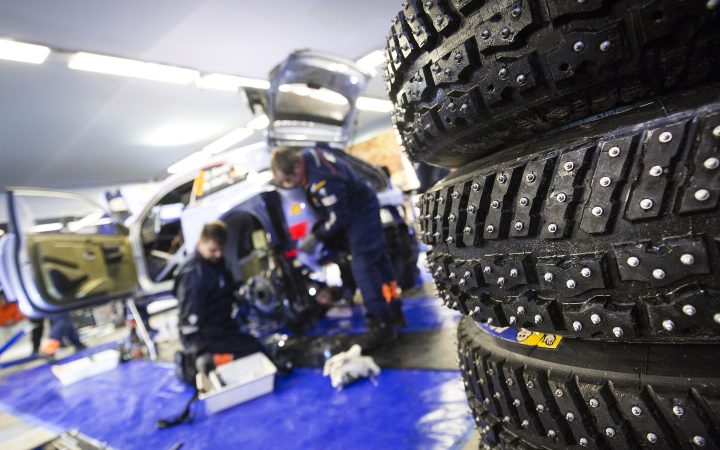
Ask a rally driver what matters most on a tricky stage and many will give the same answer: the tires. A rally car’s only contact with the road is four patches of rubber about the size of a hand, and those patches have to work on surfaces ranging from loose gravel to dry asphalt to…
-
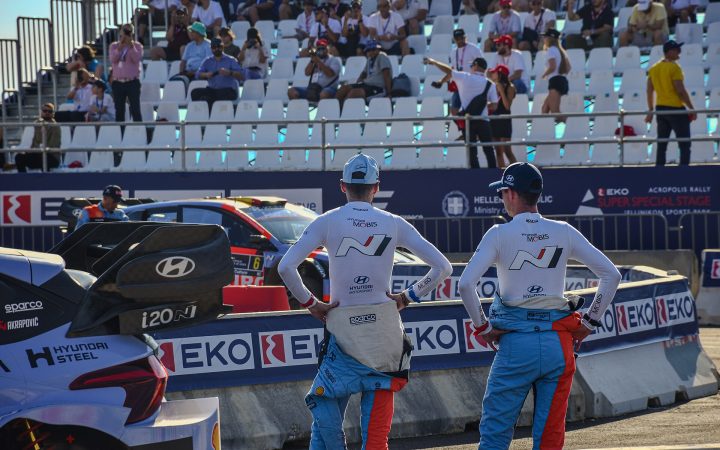
Rally1 Explained: How the Top World Rally Championship Cars Are Built
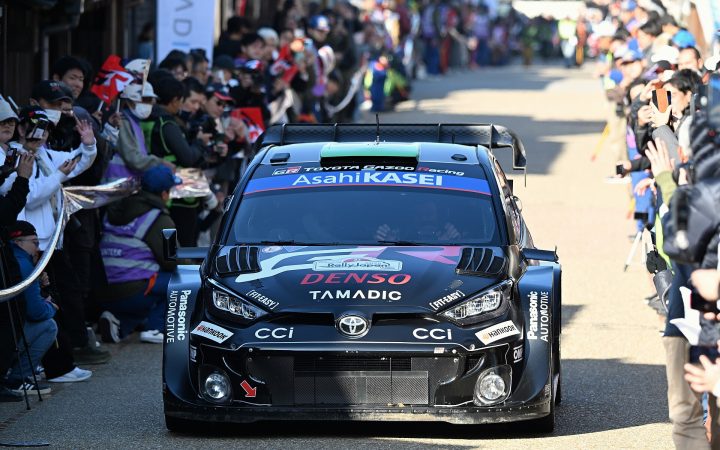
The cars at the top of the World Rally Championship look like hot hatchbacks you could buy at a dealership, but underneath they are purpose-built competition machines. Since 2022 the top category has been called Rally1. The rules brought new safety standards, a simpler mechanical layout and, for its first three seasons, hybrid power. Here…
-
Subaru’s World Rally Years: The Impreza, McRae and the Blue-and-Gold Era
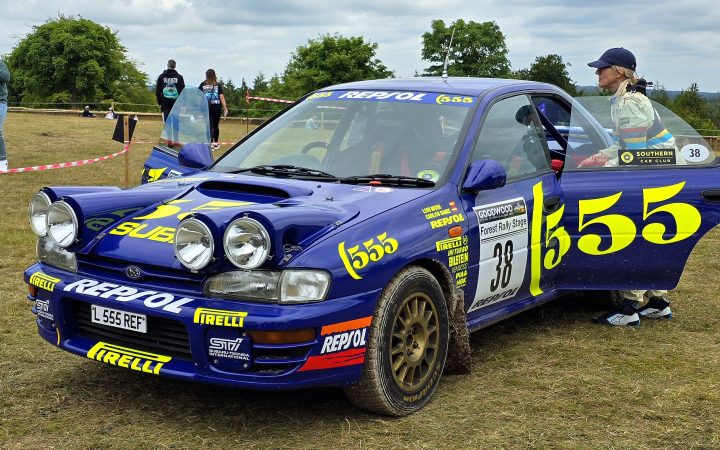
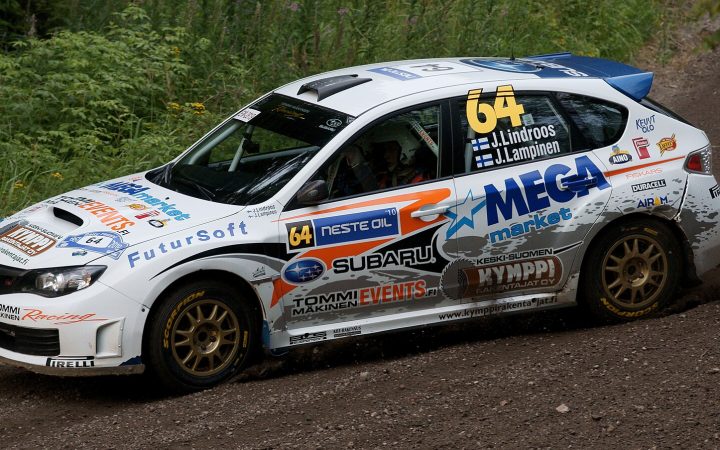
For a generation of fans, rallying means a blue Subaru Impreza with gold wheels, flat-four engine burbling, sliding through a forest. Subaru’s factory years in the World Rally Championship, run in partnership with the British engineering company Prodrive, produced three manufacturers’ titles, three drivers’ champions and a car that became a cultural icon well beyond…
-
Michèle Mouton: The Driver Who Came Within Reach of a World Title
Few drivers in rally history have had an impact quite like Michèle Mouton’s. In the early 1980s, at the wheel of the Audi Quattro, she became the first woman to win a round of the World Rally Championship, and in 1982 she came close to winning the drivers’ title itself. Her career is a story…
-
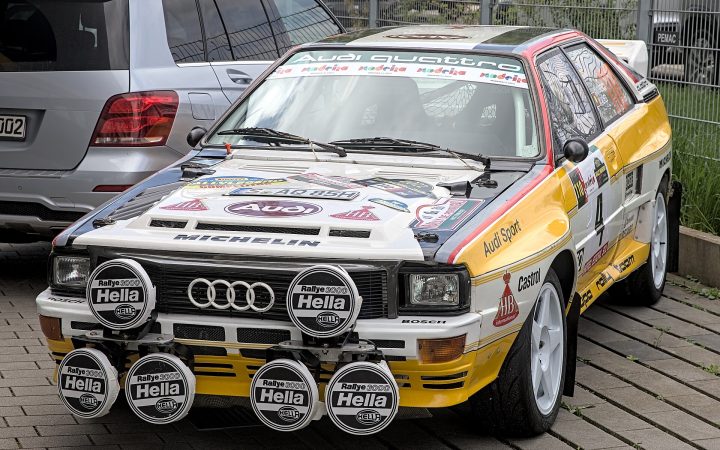
The Audi Quattro and the Four-Wheel-Drive Revolution in Rallying
Today it is hard to imagine a top-level rally car that is not four-wheel drive. But at the start of the 1980s, the conventional wisdom in rallying was that four-wheel drive was too heavy, too complicated and too awkward for competition. The Audi Quattro changed that view in a remarkably short time. Its impact was…
-
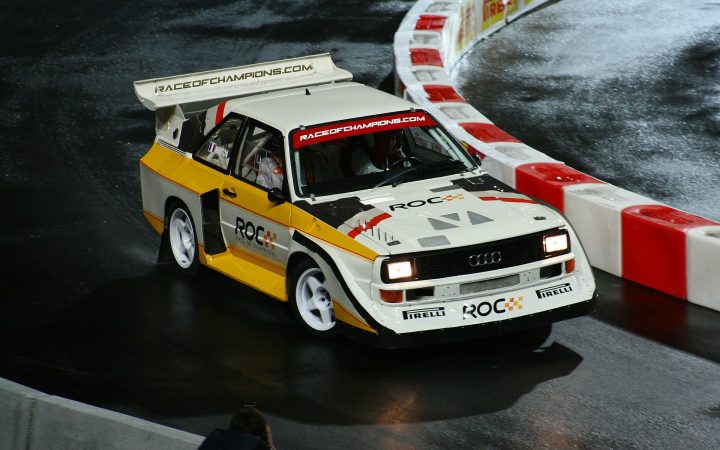
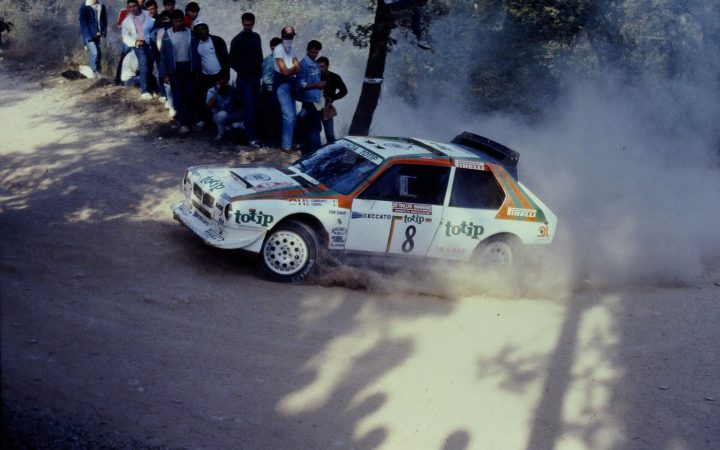
Group B: The Short, Wild Era That Changed Rallying Forever
Ask longtime fans to name the most spectacular era in rallying and most will give the same answer: Group B. For a few years in the 1980s, rallying’s top category allowed cars with enormous power, very low weight and technology borrowed from aerospace and Formula 1. The cars were extraordinary, the crowds were enormous, and…
-
The Co-Driver’s Job: Far More Than Reading Notes
The driver gets the glory, the camera time and usually the trophy at the front of the podium. But anyone who has spent time around a rally service park knows that the person in the right-hand seat carries just as much responsibility. Co-drivers are navigators, timekeepers, logistics managers, strategists and, at times, the only calm…
-
How Pace Notes Work: The Language Between Driver and Co-Driver
Watch onboard footage from any top rally and you will hear the co-driver talking almost without pause. Numbers, directions and short words come in a rhythm that sounds like a foreign language. That stream of information is the pace notes, and it is one of the main reasons rallying is possible at all. Crews race…
-
What Is Stage Rallying? A Beginner’s Guide to the Sport
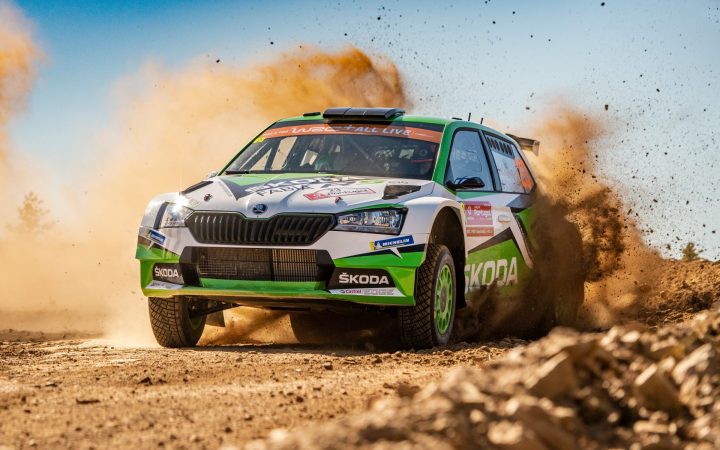
Most forms of motorsport put cars on a closed circuit and let them race wheel to wheel. Stage rallying works differently, and that difference is what makes it so appealing to its fans. In a rally, cars start one at a time, usually a minute or two apart, and race against the clock over closed…