If you look at an entry list for a modern rally, you will see a confusing mix of class names: Rally1, Rally2, Rally3, Rally4 and Rally5, plus national categories. These names come from the FIA’s “Rally Pyramid,” a structure introduced to give drivers a clear path from entry-level cars to the top of the World Rally Championship. Understanding the ladder helps make sense of results, prices and where drivers are in their careers.
Why the pyramid exists
For many years rally categories had names like R1, R2, R3, R4 and R5, alongside Group N and Group A. The system grew over time and was not always easy to follow. The FIA rebranded and reorganized the categories around 2019 and 2020 into the Rally1 to Rally5 structure. The idea is simple: the higher the number, the more affordable and accessible the car, and the lower the number, the faster and more expensive.
Rally5: the entry point
Rally5 cars are the entry level of the pyramid. They are front-wheel drive and based on small production cars, with modest modifications to the engine, suspension and safety equipment. Rally5 cars are relatively affordable to buy and run, which makes them popular in national championships and one-make cups for young drivers.
Rally4: front-wheel-drive competition
Rally4 cars are a step up. They are still front-wheel drive, typically with small turbocharged engines, but they are more heavily developed, with sequential gearboxes and competition suspension. Cars such as the Peugeot 208 Rally4, the Renault Clio Rally4 and the Opel Corsa Rally4 have been common in this class. Rally4 is used in many junior championships around the world.
Rally3: four-wheel drive made affordable
Rally3 was introduced to fill a gap between front-wheel-drive cars and the much more expensive Rally2 class. It is four-wheel drive, based on a production car with a turbocharged engine, but built to a tighter cost cap than Rally2. Ford’s Fiesta Rally3, built by M-Sport, was the first car in this category, and other manufacturers have followed. The World Rally Championship’s junior championship has used Rally3 cars since 2022.
Rally2: the backbone of rallying
Rally2, known as R5 before the rebranding, is the most popular high-performance class in the world. Rally2 cars use 1.6-liter turbocharged engines and four-wheel drive, with five-speed sequential gearboxes and competition suspension. They are fast, robust and built in large numbers, and a cost cap set by the FIA keeps prices under some control.
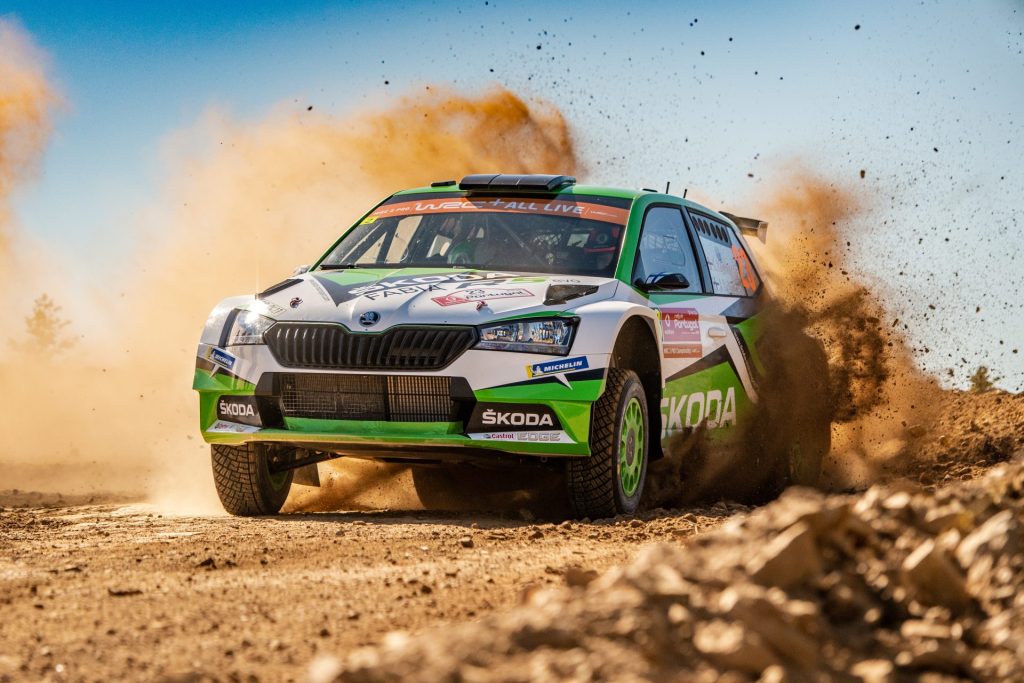
Many manufacturers have built Rally2 cars, including Škoda with the Fabia, Citroën with the C3, Hyundai with the i20 N, Volkswagen with the Polo GTI and Toyota with the GR Yaris. These cars form the core of the WRC2 class in the World Rally Championship and win outright in many national and continental championships, including the European Rally Championship.
Rally1: the top category
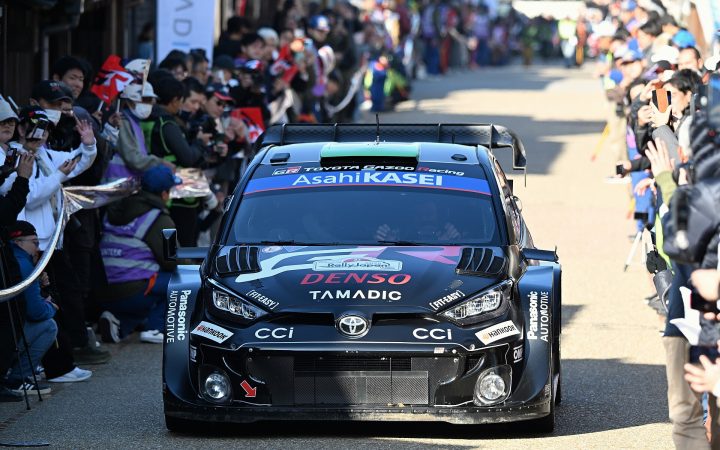
Rally1 cars sit at the top of the pyramid and compete for overall victory in the World Rally Championship. They use a tubular spaceframe chassis, turbocharged 1.6-liter engines and four-wheel drive, with more power and more sophisticated engineering than Rally2. From 2022 to 2024 they also carried a hybrid unit, which was removed for 2025. Rally1 cars are entered by manufacturer teams and are far more expensive than anything further down the pyramid.
Where the classes race
In the World Rally Championship, Rally1 cars compete for the main championship, Rally2 cars race in WRC2 and Rally3 cars in WRC3 and the Junior WRC. Many national championships use the same structure but with their own titles and rules. Some also allow older or national-spec cars, so you may see Group N, older R-class cars and locally built specials alongside current FIA cars.
In the United States, the American Rally Association uses its own national classes based on drivetrain and modification level. FIA Rally2 and Rally4 cars appear in the American championship, but many competitors run cars built to ARA’s national rules.
A ladder for drivers
The pyramid is designed to support a driver’s progression. A young driver might start in a Rally5 or Rally4 car, gaining experience in national championships. Strong results can lead to a seat in a Rally3 car, often in a junior championship. From there, Rally2 is the main proving ground for professional drivers. Most drivers who reach Rally1 have spent years in Rally2 first.
The structure also helps privateers. A competitor with a small budget can still take part in serious international events by choosing a class that matches their budget and ambitions.
Reading entry lists
Next time you look at a rally entry list, the class names tell you a lot. A Rally1 crew is fighting for overall victory, Rally2 crews are usually the fastest privateers and up-and-coming professionals, and Rally3, Rally4 and Rally5 crews are often young drivers building their careers or amateurs racing for the love of it. Every level has its own battles, and many of the closest fights at any rally happen well away from the top of the overall results.