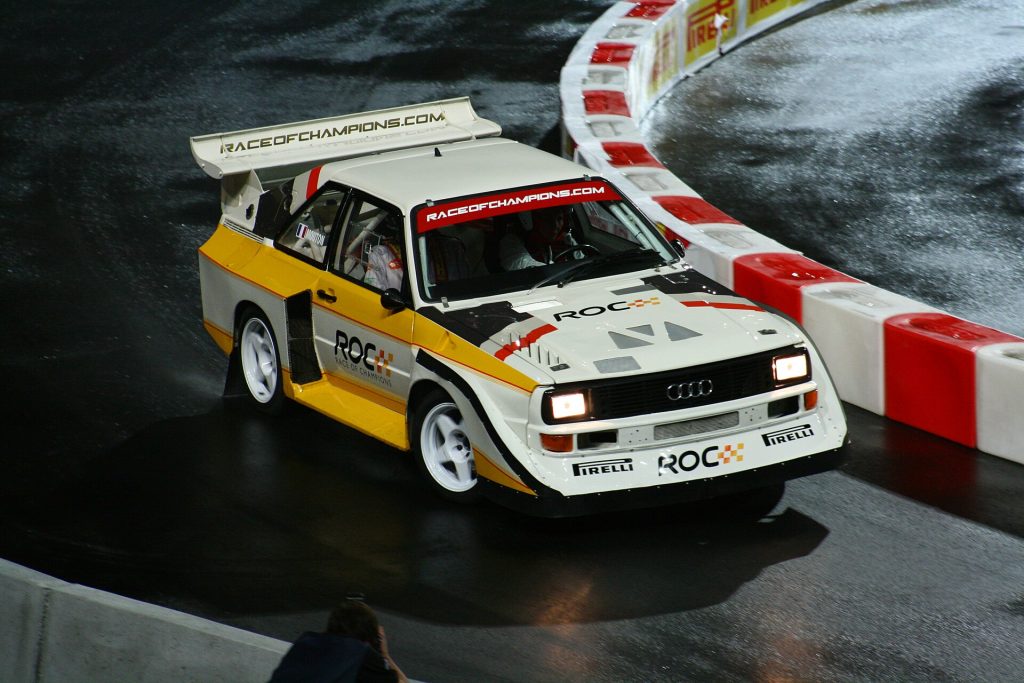
Few drivers in rally history have had an impact quite like Michèle Mouton’s. In the early 1980s, at the wheel of the Audi Quattro, she became the first woman to win a round of the World Rally Championship, and in 1982 she came close to winning the drivers’ title itself. Her career is a story of speed, persistence and a lasting influence on the sport that continues today.
Early years
Mouton grew up in the south of France. She first got involved in rallying as a co-driver for a friend before moving into the driver’s seat in the 1970s. She built her reputation in French and European events, driving cars such as the Alpine A110 and later the Fiat 131 Abarth. Her speed on tarmac rallies, including strong results on the Tour de Corse, caught the attention of factory teams.
Like many drivers of her generation, she learned her craft on the narrow, twisting roads of French national events, where precision and commitment mattered as much as outright power. Those years taught her to read the road, manage a car over long stages and work closely with a co-driver, skills that would prove essential when she reached the world stage.
Joining Audi
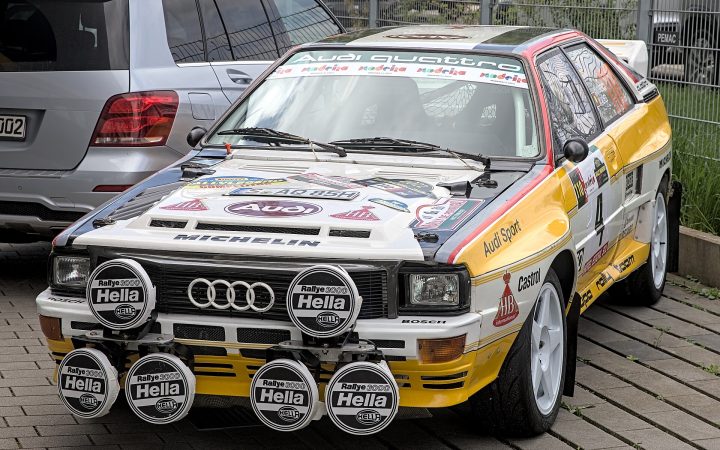
When Audi entered the World Rally Championship with the four-wheel-drive Quattro in 1981, Mouton was signed as one of its drivers, alongside Hannu Mikkola. It was a bold decision, both for the team and for a driver taking on an entirely new and largely untested car. The Quattro was fast but its early reliability was uncertain.
Sanremo 1981
The breakthrough came at the 1981 Sanremo Rally in Italy. Mouton and her Italian co-driver Fabrizia Pons won the event outright, beating the best drivers in the world. It was the first time a woman had won a round of the World Rally Championship. Pons, who also became one of the most respected co-drivers in the sport, made it an all-female crew victory as well.
The 1982 title fight
In 1982 Mouton was a genuine championship contender. She won three rallies that year, in Portugal, Greece (the Acropolis Rally) and Brazil, and went into the closing part of the season fighting for the title with Walter Röhrl of Opel. The championship slipped away when she crashed out of the Ivory Coast Rally, an event she entered under great personal strain. Röhrl won the title and Mouton finished second overall, still the best championship result for a woman in the series.
That season also helped Audi win the 1982 manufacturers’ championship, with Mouton’s results playing a central part.
Pikes Peak
Mouton also made her mark in the United States at the Pikes Peak International Hill Climb in Colorado. She won the event outright in 1985 in an Audi Sport Quattro, setting a new record at the time on the partly unpaved mountain road. It was one of the most celebrated victories in the event’s long history and a highlight of Audi’s run of success at the mountain in that decade.
After Audi
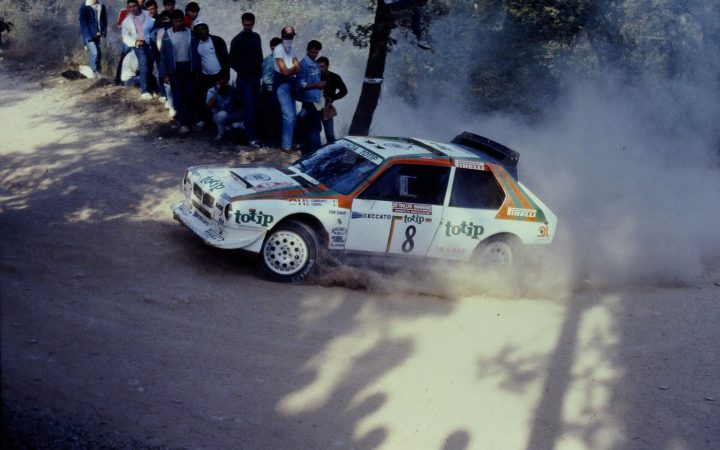
Mouton later drove for Peugeot during the Group B era. When Group B came to an end after the 1986 season, she stepped away from top-level competition. She had already achieved more than enough to secure her place in rally history, but her contribution to the sport was far from over.
Race of Champions
In 1988 Mouton co-founded the Race of Champions with Fredrik Johnsson. The original event was created to honor the memory of Henri Toivonen, who had been killed at the 1986 Tour de Corse, and brought together the best rally drivers of the day. Over the years it grew into an international event in which stars from rallying, circuit racing and other disciplines compete head to head in identical cars on a parallel track.
Leadership in the FIA
Mouton later took on important roles within the FIA, motorsport’s world governing body. She became the first president of the FIA’s Women in Motorsport Commission, created to encourage more women to take part in motorsport at every level, as competitors, engineers, officials and team members. She also served as the FIA’s World Rally Championship manager, overseeing aspects of the series.
Recognition
Mouton’s achievements have been recognized many times by the motorsport world. She is regularly invited to drive historic Audi rally cars at festivals and anniversary events, where fans still line up to see her. Documentaries and books about the Group B era tell her story in detail, and her 1982 season is often described as one of the great “what if” years in the championship’s history.
Why her achievements still matter
Mouton competed against the best drivers in the world in some of the most demanding cars ever built and won. Her results were not symbolic; they were earned on the stages against men who were world champions. That is why she is still regularly cited as one of the most important figures in the history of rallying.
Her story also shows how much rallying owes to its co-drivers and teams. Fabrizia Pons, Audi’s engineers and the mechanics who kept the early Quattro running all played their part. For young drivers, especially young women considering a career in motorsport, Mouton’s career remains a powerful example of what is possible.