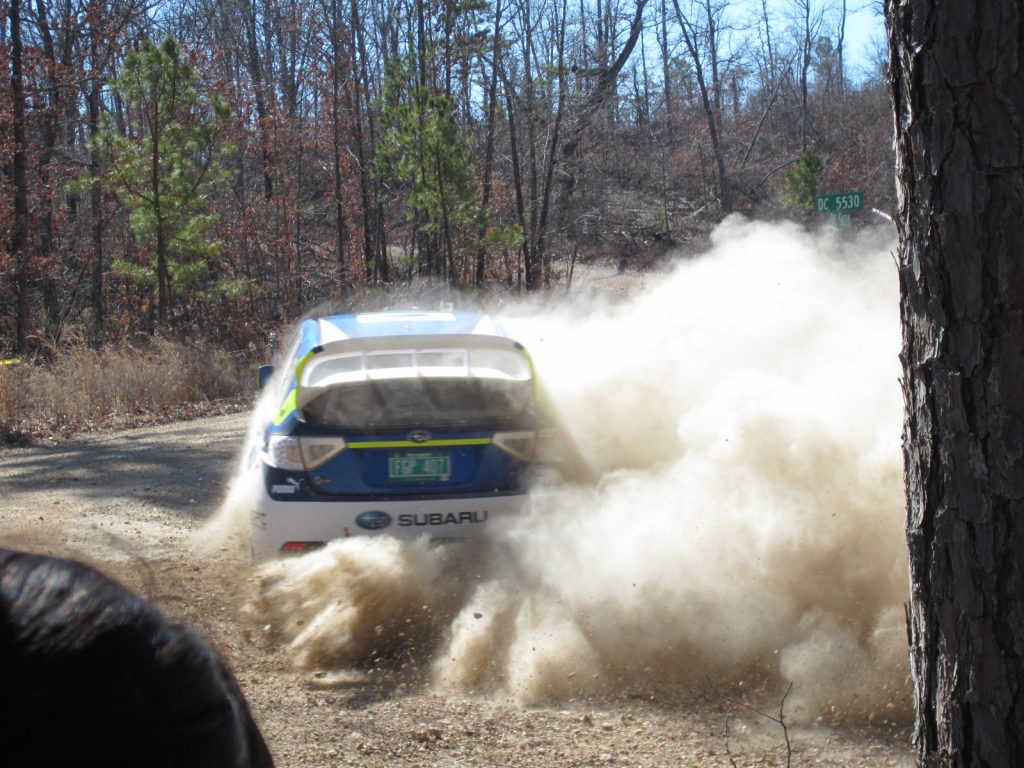
Stage rallying in the United States has a long and colorful history, from forest stages in Michigan’s Upper Peninsula to logging roads in the Pacific Northwest. Today, most top-level US stage rallying is run under the American Rally Association, known as ARA. If you want to follow American rallying or take part yourself, it helps to understand how the ARA structure works.
A short history
American stage rallying grew out of club events in the 1970s and was organized for many years by the SCCA’s Pro Rally program. Later the sport was run by Rally America, which sanctioned the national championship from the mid-2000s until the late 2010s. In 2017 the American Rally Association was formed, and from 2018 it became the main sanctioning body for national-level stage rallying in the US. Many of the same events, organizers and volunteers carried over, so the sport kept much of its traditional calendar and character.
National and regional championships
The ARA runs a National Championship made up of the country’s longest and most prestigious events, many of them two-day rallies with well over 100 miles of special stages. It also runs Regional Championships, typically grouped by area, with shorter events that are cheaper and easier for newcomers. Many national events also count toward regional standings, letting crews score in both.
The regional series are where many American drivers start. They offer real stage rally experience with lower costs, shorter distances and a friendly club atmosphere.
Classic American events
Several events have become fixtures of American rallying over the years. They include Sno*Drift in northern Michigan, a winter rally on snow- and ice-covered roads, and the Rally in the 100 Acre Wood in Missouri, run on gravel forest roads in the Ozarks. Other well-known events include the Olympus Rally in Washington, the Oregon Trail Rally, the Southern Ohio Forest Rally, the Ojibwe Forests Rally in Minnesota, the Susquehannock Trail Performance Rally in Pennsylvania, the New England Forest Rally in Maine and the Lake Superior Performance Rally in Michigan’s Upper Peninsula. The exact calendar changes from season to season, so it is always worth checking the ARA’s current schedule.
Classes
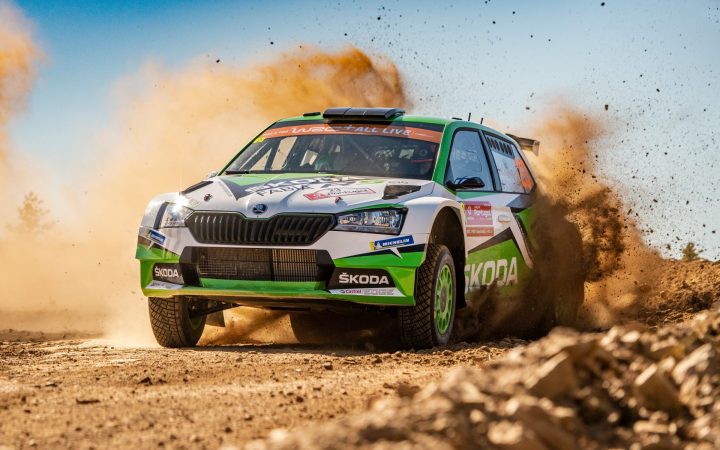
ARA classes are organized mainly by drivetrain and modification level. Open 4WD is the top class, where the most powerful all-wheel-drive cars compete for overall victory, including cars built to FIA Rally2 rules and highly modified national specials. Limited 4WD is for less modified all-wheel-drive cars. Two-wheel-drive classes cover everything from older rear-wheel-drive classics to modern front-wheel-drive hatchbacks. There are also classes designed to keep costs low for beginners.
Because the classes are so varied, a single ARA event might feature a modern Rally2 car, a vintage Datsun, a Subaru WRX built in someone’s garage and a small front-wheel-drive Honda, all on the same stages.
How events are run
ARA events follow the same basic format as rallies around the world. Cars start one at a time on closed special stages and are timed, with road sections on public roads in between. Many ARA events provide organizer-written route notes rather than allowing extensive reconnaissance. This helps keep costs low and makes the sport fairer for competitors who cannot afford days of recce.
Events depend on volunteers, often called workers or marshals, who staff stage starts and finishes, radio points, road closures and service areas. Without them, no rally could take place.
Getting licensed
To compete in ARA events, drivers and co-drivers need an ARA license. New competitors usually start with a novice license, and organizers may require them to attend a rally school, complete a set number of events or gain experience before moving up. Cars must pass a technical inspection covering safety equipment such as roll cages, seats, harnesses, fire extinguishers and fuel systems. Crews also need approved helmets, head and neck restraints and fire-resistant clothing.
What it costs
Costs in American rallying vary enormously. A front-wheel-drive car built to a basic class, run by a crew who do their own work, can compete on a modest budget compared with most forms of motorsport. A top Open 4WD program with professional preparation and a full service crew costs vastly more. Entry fees, travel, tires, fuel and repairs all add up, so many competitors choose a few regional events a year rather than a full national season.
Notable American competitors
American rallying has produced and attracted many well-known names. Travis Pastrana won several national titles in the late 2000s and became one of the sport’s best-known faces. David Higgins, a British driver who competed in the US for many years, won multiple national championships. Ken Block was another prominent figure who helped popularize rallying through video and media before his death in 2023. Many current competitors are amateurs who balance rallying with full-time jobs.
How to get involved
The easiest way to start is to spectate at an ARA event. The ARA and the event organizers publish spectator information, including recommended spectator areas and safety guidance. Volunteering is another great option, and organizers are always looking for help. If you want to compete, consider a rally school, a regional event as a co-driver or a low-cost discipline like SCCA RallyCross to build your skills.
American rallying may not have the crowds of European events, but it has a passionate community and some of the most beautiful and challenging forest roads in the world. For anyone who loves cars and driving, it is well worth exploring.