
 John N
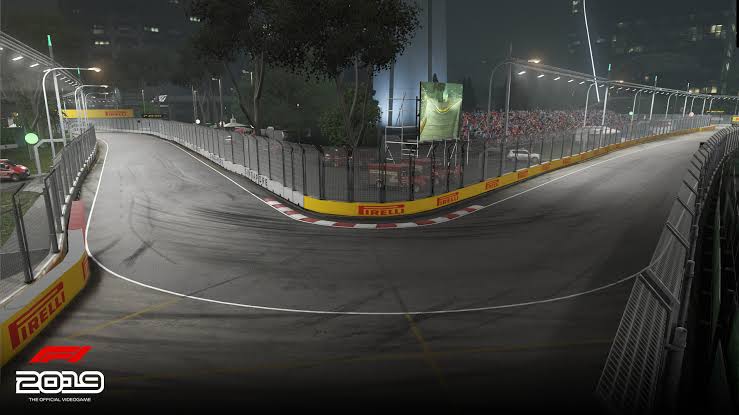

Maintaining F1 tracks is a relentless pursuit to ensure both safety and quality. The formula 1 race teams will not perform at their best if the race tracks are not kept up to the high standards required by the FIA. Resurfacing the track, securing safety barriers, sweeping run-off areas, test signal displays, and repainting the track markings all form part of a Formula 1 race circuit maintenance. The track is swept before every practice and race session on race weekends.
Track maintenance for a Formula 1 race starts weeks before the race is scheduled. Everything needs to be up to the highest standard for the top tier of racing that will be taking place at the track. Read on to discover what kind of maintenance happens behind the scenes at a Formula 1 race track.
The FIA (Federation International de l’ Automobile) grades racing circuits from 1 to 6 and a grade 1 level is required to host a Formula 1 race. A race circuit with a grade 1 rating will be required to have several points that will need approval by the FIA, and this includes track maintenance.
Track maintenance can be divided into two groups, extensive and pre-race maintenance:
- The extensive maintenance will have to be completed 90 days before a Formula 1 Grand Prix is scheduled and must be approved by the FIA.
- Pre-race maintenance is the final preparation needed to be done to the track before and on a race weekend.
-
Extensive Track Maintenance
Extensive maintenance could result in the race circuit being closed for a prolonged period for track repairs or a complete redesigning of track sections.
This extensive maintenance includes the following
- Track Resurfacing
In formula 1, a car’s performance depends on the grip it gets from the track surface. The more grip available, the faster the driver can take turns at higher speeds, and the later or harder he/she can apply the brakes. A track surface is continually being worked on to keep it in good condition, as a car traveling at 170 mph produces significant heat. The track also has to withstand gravel being kicked up by the tires of cars traveling very fast, which could lead to damage.
The track surface consists of three layers totaling 6-10 inches, and the asphalt used is the highest quality Bitumen. The track surface or tarmac needs to be resurfaced every 10 to 15 years or when major track changes are scheduled. The track surface must be flat and free of bumps, as this could cause a car to lose grip. The overall grip test must have a rating of 70 or higher; this is done by having the pendulum swing over the surface while lightly scraping it. The quicker the pendulum stops, the more grip the surface offers.
- Cracks And Potholes On The Track Surface
In the case of a severe crack or a pothole that is busy forming, only the damaged section of the track will be cut out and resurfaced. The track team must take special care to ensure that there is no change in the transitions from the old to the news section.
- Repairing Of Curbs
The curbs take a lot of impact from the car tires, and as they are slightly raised, this force can cause cracks and small chunks to break off. Damaged curbs will need to be repaired and repainted as this could cause damage to the tires or underbody of the car.
-
Pre-Race And In-Race Maintenance
The pre-race maintenance is the final step to get the track ready to be raced on, but the maintenance will continue throughout the race weekend.
- Track Markings
The racetrack has many painted markings that resemble anything you might see at an airport. There’s a reason for all of the markings, as they show track limits, DRS zones, marshaling points, pit exit/entrances, and other important areas of the track. The markings must be a minimum of 10cm wide and must be painted in textured paint so that grip is not lost when a car drives over them. These markings will be repainted before each Grand Prix weekend because the Formula 1 format requires a length of 8 meters between cars on the starting grid versus 6 meters for all other racing classes.
- Run-Off Areas And Gravel Traps
Cemented or asphalt run-off areas prevent the driver from losing control of the car if they leave the track. These areas are sometimes set at a slight gradient to assist with braking. The run-off area will be pressure washed to remove any oil or debris so that cars returning to the track do not contaminate the racing surface.
Gravel traps are there to catch the car and slow it down before the barriers. The gravel trap is recessed 20mm from the track for the car to settle into the sand gradually. The gravel consists of small stones and pebbles ranging from 6-20mm as it needs to drain quickly in wet conditions. Gravel traps are combed or raked to ensure the surface is loose and level.
- Timing Equipment, Signal Lights, And Electronic Display Boards
All timing sensors built into the track must be tested, as this allows the position of the cars and the lap number to be displayed to multiple sources. The signal lights and displays are placed at the marshaling points and the start/finish line and will need to work in sync with each other. Light bulbs or LEDs will be replaced if not working correctly, and lenses and display boards are kept clean so that they are visible to the drivers.
- Track Cleaning And Sweeping
The track surface will need to be steam pressure washed to remove all debris, excess rubber, and fluids to maximize grip and safety for the cars. On average, 3 sweeping/cleaning trucks clean the track in less than 15 minutes. But, this is track-dependent.
- Barriers And Tire Walls
Barriers and tire walls are there to slow down and absorb the impact of a car in the event of a crash. The Armco barriers need to be replaced after most impacts but are inspected regularly. Tire walls are made up of used tires strapped together and have a rubber wall in front of them.
These barriers are reset after impact and can be used multiple times. They are regularly inspected, as any loose tires will scatter and not be able to absorb impact in a crash.


